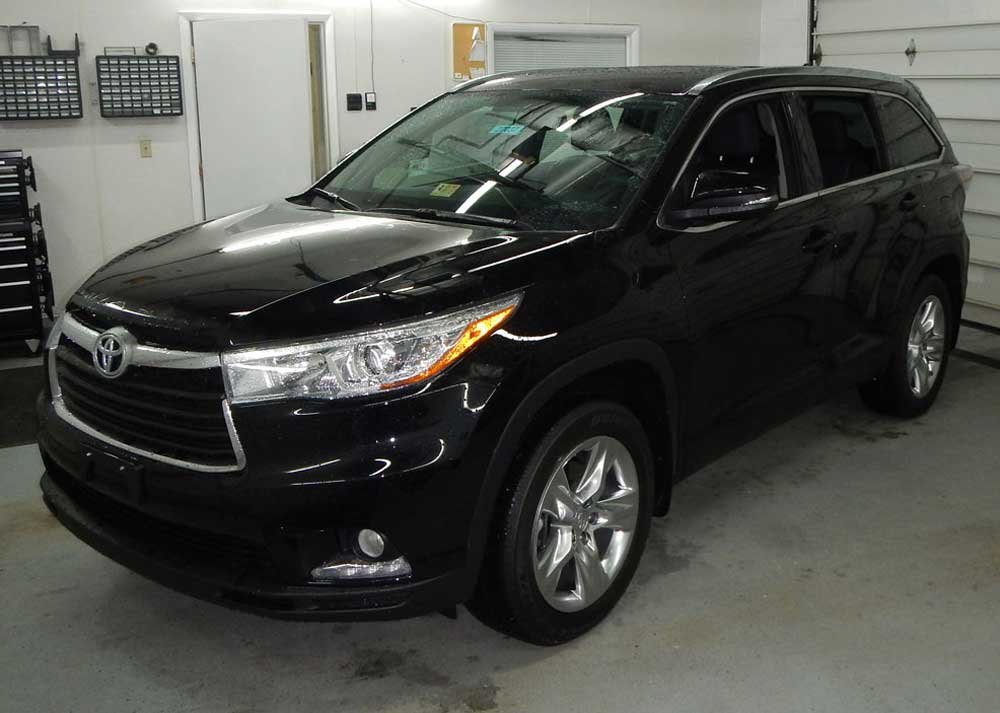
When the time comes to find a reliable, versatile, and family-friendly SUV on the used market, the Third Generation Toyota Highlander (2014-2019) consistently rises to the top of expert recommendations. It’s not just a popular choice; it’s a smart one, earning its reputation as a go-to option for those who need space, power, and Toyota’s hallmark dependability without breaking the bank. This generation strikes a near-perfect balance, offering modern amenities and a refined driving experience that still feels current, years after its debut.
At a Glance: Why the Third-Gen Highlander Stands Out
- Model Years Covered: 2014-2019
- Seating Capacity: Accommodates up to eight passengers.
- Engine Choices: Primarily a robust 3.5-liter V6, with a less common 2.7-liter inline-four in 2014.
- Transmission: Standard 6-speed automatic for all full gasoline engines.
- Key Strengths: High-quality cabin, sharper appearance, excellent reliability (especially post-2015), strong resale value.
- Year to Approach with Caution: 2015 models had specific, notable issues.
- Best Year in the Generation: The 2017 model year, thanks to a significant refresh and power bump.
Understanding the Highlander's Legacy: A Brief History
To truly appreciate the third-generation Highlander, it helps to understand its lineage. Toyota first introduced the Highlander to the North American market for the 2001 model year, establishing it as a road-biased SUV built on a unibody construction – a distinct departure from traditional, truck-like body-on-frame SUVs. It was designed for comfort and practicality, prioritizing smooth rides over rugged off-road prowess.
The second generation (2008-2013) built upon this foundation, offering a roomier third row, making it an even more appealing option for growing families. By the time the third generation arrived, Toyota had honed its vision for a mid-size SUV that blended practicality with a touch more sophistication and a sharper aesthetic.
Stepping Up: What Made the Third-Gen Highlander Different?
When the 2014 model rolled out, it wasn't just another incremental update; it was a significant leap forward. This generation brought a more assertive, sharper appearance that commanded more presence on the road. The interior, too, saw a substantial upgrade, featuring higher-quality cabin materials and a more ergonomic layout that immediately felt more premium.
Crucially for families, the third generation standardized accommodation for up to eight people, making it a true competitor in the larger family SUV segment. This commitment to versatility, coupled with Toyota's well-earned reputation for reliability, cemented its position as a top contender for those seeking a practical yet comfortable daily driver.
Under the Hood: Power and Performance
The powertrain options for the third-generation Highlander were straightforward and effective, focusing on reliability and efficiency.
- The Initial Four-Cylinder (2014 only): For its inaugural year, the 2014 Highlander offered a standard 2.7-liter inline-four engine. While adequate for basic commuting, it was quickly overshadowed by its more powerful sibling. If you're considering a 2014 model, understand that this engine will feel less robust, especially when loaded with passengers or cargo.
- The Preferred V6 Engine: The real workhorse and the engine most commonly found in these models is the 3.5-liter V6.
- 2014-2016 Models: Initially, this V6 delivered a maximum output of 270 horsepower, which provided ample power for highway cruising, merging, and light towing.
- 2017-2019 Models: With the mid-cycle refresh in 2017, the 3.5-liter V6 received a significant boost, pushing its maximum output to 295 horsepower. This enhanced power, combined with other refinements, made the later models feel even more responsive and capable.
Across the board for its full gasoline engines, the third generation standardized a smooth and reliable six-speed automatic transmission. This transmission was praised for its seamless shifts and contribution to a comfortable driving experience.
Navigating the Model Years: Which Highlander is Right for You?
While the entire third generation boasts a strong reputation, some model years stand out for better or worse. Understanding these nuances is key to making an informed purchase.
The 2015 Highlander: A Year to Approach with Caution
Among the third-generation models, the 2015 Toyota Highlander is generally considered less desirable due to a specific cluster of issues reported by owners. While not every 2015 Highlander will experience these problems, they are noteworthy enough to warrant extra scrutiny during your shopping process. These issues included:
- Faulty Door Actuators: Leading to doors that might not lock or unlock properly.
- Malfunctioning Rear Liftgate: Frustrating access to the cargo area.
- Problems with the Infotainment System: Glitches or unresponsiveness could detract from the driving experience.
- Transmission Delays When Shifting Gears: Potentially leading to hesitant acceleration or a less smooth ride.
- Excessive Wind Noise: An annoying constant on highways, impacting cabin comfort.
If you're looking at a 2015 model, ensure a thorough pre-purchase inspection specifically checks for these common complaints. Ask for service records that indicate if any of these issues were addressed under warranty or through recalls.
The 2017 Highlander: The Sweet Spot of the Third Generation
In stark contrast to the 2015 model, the 2017 Toyota Highlander model year is highly regarded—and for good reason. This was the year of a significant refresh that brought both aesthetic and mechanical improvements.
- Sleeker, Modern Look: The 2017 facelift gave the Highlander a more contemporary feel with a new front grille, updated headlights, and revised bumpers. It truly made the SUV look more upscale and relevant.
- More Powerful V6 Engine: As mentioned, the 3.5-liter V6 engine was upgraded, now delivering a robust 295 horsepower. This power increase made a noticeable difference in acceleration and overall driving dynamics.
- Enhanced Reliability: Beyond the power boost and cosmetic changes, the 2017 model year is considered one of the most reliable used Highlander models, consolidating the generational improvements while addressing earlier kinks.
- The XLE Trim Remains a Top Choice: Within this already excellent year, the XLE trim level continued to be a favorite. It typically offered a fantastic balance of desirable features (like leather seating, navigation, sunroof, and advanced safety tech) without the price premium of the Limited trim. For many, a used 2017 Highlander XLE represents the best value and dependability of the entire generation.
Other Years: Generally Solid Choices
The 2014, 2016, 2018, and 2019 models are also generally strong contenders. The 2014 model is solid but remember it's the only year with the optional 2.7L four-cylinder. The 2016 model benefits from being post-2015 issues, offering good reliability. The 2018 and 2019 models carried forward the improvements of the 2017 refresh, making them excellent choices as well, though potentially at a higher price point.
Beyond the Powertrain: Key Features and Comforts You'll Appreciate
Beyond its engines, the third-generation Highlander excelled in creating a comfortable and functional environment for its occupants.
- A Cabin Designed for Families: The commitment to higher-quality cabin materials was evident, creating a more pleasant and durable interior experience. Thoughtful touches, like a large dashboard shelf perfect for phones or keys, demonstrated an understanding of family needs.
- True Eight-Person Seating: Unlike some competitors where the third row felt like an afterthought, the Highlander’s third row was designed to be genuinely usable, making it a viable option for larger families or carpooling duties. Access to the third row was also made easier with a slide-and-recline second row.
- Available Technology and Safety: Depending on the trim level (especially XLE and Limited), you could find features like touchscreen infotainment systems, navigation, blind-spot monitoring, rear cross-traffic alert, and adaptive cruise control. While not as advanced as current systems, they were robust for their time and continue to be functional. The 2017 refresh also brought Toyota Safety Sense P (TSS-P) to many trims, including pre-collision system with pedestrian detection, lane departure alert with steering assist, and automatic high beams.
Buying a Used Third-Gen Highlander: Smart Shopping Strategies
Investing in a used vehicle, even one as reliable as a Highlander, requires diligence. Here’s what to prioritize:
- Prioritize a Pre-Purchase Inspection (PPI): This is non-negotiable. A trusted independent mechanic will thoroughly inspect the vehicle for any underlying issues, potential repairs, or signs of accident damage that might not be obvious to the untrained eye. This is especially critical if you're looking at a 2015 model to check for the known issues.
- Scrutinize Service Records: A well-maintained vehicle is a happy vehicle. Look for consistent oil changes, tire rotations, and major service milestones (e.g., transmission fluid changes, spark plug replacements if applicable). A history of regular maintenance signals responsible ownership.
- Check for Recalls: Use the VIN to check for any outstanding recalls. Toyota has issued recalls for various components over the years, and ensuring these have been addressed is vital for safety and performance.
- Test Drive, Test Drive, Test Drive: Don't just drive around the block. Take it on the highway to assess wind noise (especially relevant for 2015 models), listen for transmission hesitations, and feel how it handles bumps and turns. Test all electronics, including the infotainment system, power windows, and climate control.
- Inspect for Wear and Tear: While some cosmetic wear is expected, look for excessive damage to the interior (tears, stains, broken plastics) and exterior (significant dents, rust, mismatched paint indicating accident repairs). Worn tires or brakes indicate upcoming expenses.
- Consider Mileage Wisely: Toyota engines are known for longevity, often exceeding 200,000 miles with proper care. However, higher mileage usually means more wear on other components like suspension, bearings, and accessory belts. Balance a good price with the expected lifespan of these parts.
- Understand Trim Levels: Decide which features are must-haves. The LE is a good base, the LE Plus adds more convenience, but the XLE often hits the sweet spot for features and value. The Limited and Hybrid models offer even more luxury and fuel efficiency, respectively.
Comparing Generations: Where Does the Third-Gen Fit in the Highlander Story?
The third-generation Highlander occupies a unique and advantageous position in the vehicle's history.
- Compared to the Second Generation (2008-2013): The third generation offered a more modern exterior design, a significantly upgraded interior with better materials, and the critical step up to eight-passenger seating. While the second gen was roomy, the third gen felt more refined and capable.
- Compared to the Fourth Generation (2019-Present): The current, fourth generation, introduced in late 2019 as a 2020 model, brought new features like standard smartphone integration (Apple CarPlay, Android Auto), more advanced safety systems, and a sleeker, more aerodynamic design. Initially, it retained a 3.5L V6 (still 295 hp but paired with an 8-speed automatic), later replacing it in 2023 with a 265-hp turbocharged 2.4L four-cylinder engine to meet stricter emissions and fuel efficiency standards, alongside a 2.5L four-cylinder hybrid option.
The third-generation Highlander, particularly the post-2015 models, often represents a "sweet spot" for used buyers. You get many modern conveniences and stellar reliability without the higher price tag of the fourth generation and its newer, more complex (and sometimes less proven) engines. It’s also often easier to find parts for and has well-documented service histories. For a deeper dive into how each iteration evolved, you can always explore Toyota Highlander generations in detail.
Common Questions for Prospective Buyers
Is the Third-Gen Toyota Highlander (2014-2019) reliable?
Yes, generally speaking, the third-generation Highlander is known for its excellent reliability, a hallmark of Toyota vehicles. However, it's important to be aware of the specific issues reported for the 2015 model year. The 2017-2019 models are particularly robust.
What's the best year to buy for this generation?
The 2017 Toyota Highlander is widely considered the best year within this generation. It received a significant facelift, a more powerful 295-hp V6 engine, and solidified its reputation for reliability, making the XLE trim a top choice for used buyers.
How many people can the Third-Gen Highlander seat?
The third-generation Toyota Highlander can comfortably accommodate up to eight passengers, thanks to its standard three-row seating configuration.
What are the common problems or pitfalls to avoid?
The primary pitfall to be aware of is the 2015 model year, which had reported issues with door actuators, rear liftgates, infotainment systems, transmission delays, and excessive wind noise. While other years are generally solid, always get a pre-purchase inspection.
Is the V6 engine necessary, or is the four-cylinder enough?
Most buyers and experts prefer the 3.5-liter V6 engine for its ample power, smoother operation, and greater capability, especially when carrying passengers or towing. The 2.7-liter inline-four (available only in the 2014 base model) is adequate for light city driving but will feel underpowered when the vehicle is fully loaded or on the highway.
Does it hold its value well?
Absolutely. Toyota Highlanders are renowned for their strong resale value, and the third generation is no exception. This means while you might pay a bit more upfront for a used model compared to some competitors, you'll likely recoup a good portion of that investment when it's time to sell.
Your Next Step: Making an Informed Decision
The Third Generation Toyota Highlander (2014-2019) holds its ground as one of the best used SUVs you can buy today. It successfully merges Toyota's bulletproof reliability with practical family-friendly features, a comfortable ride, and a stylish design that still looks great on the road.
While the 2015 model year requires careful consideration due to its specific reported issues, the remainder of the generation—and especially the revitalized 2017-2019 models—offers exceptional value. Do your homework, get that crucial pre-purchase inspection, and you'll likely find a Highlander that serves your family faithfully for many years to come. It’s a testament to good engineering and thoughtful design, making it a purchase you can feel confident about.