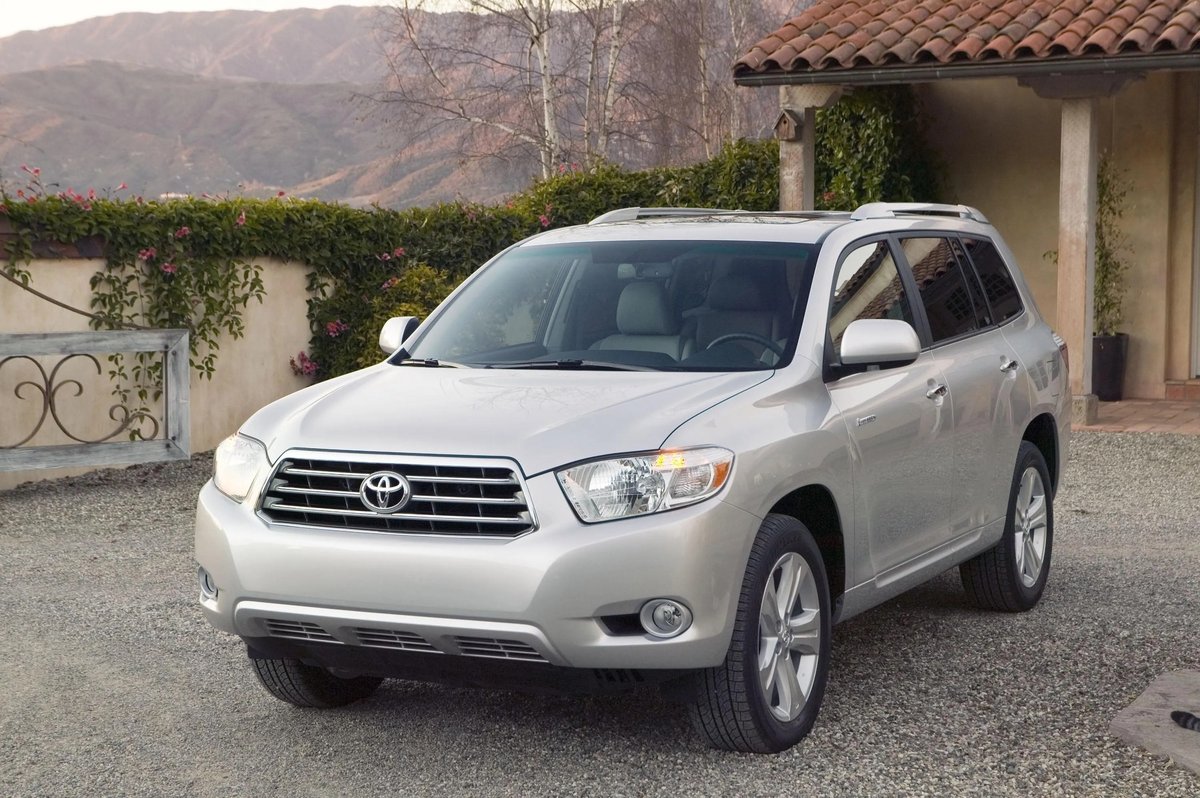
The Second Generation Toyota Highlander (2008-2013) arrived on the scene as a confident evolution, shedding some of its predecessor's conservative angles for a beefier, more modern stance. For many families, this midsize crossover SUV became the go-to choice for its blend of Toyota reliability, practical three-row seating, and comfortable ride. But even a titan like Toyota isn't immune to a few chinks in its armor, with some second-gen owners encountering frustrating issues like a persistent musty odor from the A/C system and, for some, the unwelcome surprise of chewed-up wiring.
Before we delve into the nitty-gritty of what made this Highlander tick and what potential headaches to watch for, here’s a quick overview:
At a Glance: Second Generation Toyota Highlander (2008-2013)
- Generational Leap: Fully redesigned, larger, more powerful, and less boxy than the first generation.
- Powertrain: Launched with a robust 270-hp 3.5L V6; a more fuel-efficient 187-hp 2.7L four-cylinder added in 2009 (FWD only).
- Transmission: Five-speed automatic for V6, six-speed automatic for four-cylinder.
- Hybrid Option: Continued the Highlander Hybrid lineage, offering impressive fuel economy with a combined 270-280 hp.
- Seating: Standard three-row seating for seven passengers.
- Known Issues: Persistent musty A/C smell, soy-based wiring vulnerable to rodent damage, and specific power liftgate defects in some 2009 models.
- Best For: Families seeking a reliable, comfortable, and spacious used SUV with available AWD, but who are prepared to address potential HVAC and wiring concerns.
The Evolution of a Family Favorite: Where the Second Gen Fits In
Toyota pioneered the crossover SUV segment with the original Highlander in 2000, effectively merging sedan comfort with SUV utility. It was a game-changer, slotting above the smaller RAV4 and, at the time, below the full-size Sequoia. When the Second Generation Toyota Highlander (2008-2013) debuted, it wasn't just an update; it was a substantial reimagining. Toyota listened to feedback, making it bigger, adding more cargo room, and giving it a more assertive road presence.
This generation cemented the Highlander's reputation as a go-to family hauler, perfectly positioned against growing competition like the Honda Pilot and Ford Explorer. Understanding its place in the larger Highlander story helps appreciate its strengths and weaknesses. To get a broader picture of how this vehicle evolved, you might want to Explore Toyota Highlander generations from its pioneering start to its latest iterations.
Second Generation Highlander: What Made it Tick (2008-2013)
When the redesigned Highlander arrived for the 2008 model year, it was clear Toyota meant business. The shift away from the first generation's somewhat boxy, albeit refined, aesthetic was immediate. This new Highlander was sleeker, with more muscular lines and a commanding stance, reflecting its increased dimensions and capabilities.
Power and Performance: V6 Standard, Four-Cylinder Later
Initially, every 2008 Highlander model came equipped with a robust 3.5-liter V6 engine, churning out a healthy 270 horsepower and paired with a smooth five-speed automatic transmission. This powertrain offered ample grunt for highway cruising, passing, and hauling a family with luggage. Front-wheel drive (FWD) was standard, with an all-wheel drive (AWD) option available for those needing extra traction in inclement weather or light off-road excursions.
In 2009, Toyota introduced a more fuel-efficient option: a 2.7-liter four-cylinder engine producing 187 horsepower and 186 lb-ft of torque. This engine was exclusively paired with a six-speed automatic transmission and FWD. While it offered modest fuel economy gains, it was best suited for drivers who primarily stayed in urban environments and didn't require the V6's robust towing or acceleration capabilities.
Trim Levels and Their Evolution
The second generation saw a logical progression of trim levels, offering different combinations of features and luxuries:
- 2008 Initial Launch:
- Base: The entry-level model was far from sparse, featuring 17-inch alloy wheels, air conditioning, a CD stereo, four-wheel disc brakes, hill-start assist, and an impressive seven airbags.
- Sport: Added a sport-tuned suspension, unique exterior trim, larger wheels, and additional convenience features.
- Limited: The top-tier trim brought luxury touches like leather upholstery, automatic climate control, a premium audio system, and advanced safety features.
- 2009: The addition of the four-cylinder engine mostly impacted the Base trim, making it a FWD-only option.
- 2010: The SE model was introduced, bridging the gap between the Sport and Limited trims, often offering a good balance of features and value.
- 2011 Facelift: A notable refresh introduced revised front and rear-end styling, giving the Highlander a more contemporary look. The Sport trim was replaced by the SE, and the four-cylinder engine option expanded to include the SE trim. The third-row bench seat became standard across the lineup, enhancing its family-friendliness.
- 2013: A Plus trim was added, positioned just below the SE, offering the four-cylinder engine option and serving as a well-equipped mid-range choice.
The Highlander Hybrid: Efficient Family Hauling
Throughout the second generation, the Highlander Hybrid continued to be a compelling option. Initially, it paired a 3.3-liter V6 with three electric motors for a combined output of 270 horsepower. In 2011, coinciding with the refresh, the Hybrid's powertrain was upgraded to a 3.5-liter V6, boosting total output to 280 horsepower while maintaining impressive fuel economy figures (around 28 mpg combined). This made the Hybrid an excellent choice for those prioritizing efficiency without sacrificing power or three-row utility.
Common Roadblocks: Musty A/C, Wiring Woes, and Other Gripes
While the Second Generation Toyota Highlander (2008-2013) enjoys a strong reputation for reliability, no vehicle is perfect. Savvy buyers and current owners should be aware of a few persistent issues that have cropped up for some of these models.
The Case of the Musty A/C
One of the most widely reported and frustrating issues across various Toyota models, including the Highlander, is a persistent musty or moldy smell emanating from the air conditioning system. This isn't unique to the second generation, with reports stretching back to at least 1999. The root cause is often mold and mildew accumulating on the evaporator coil, a critical component of the HVAC system that cools the air. When moisture from condensation collects on the evaporator and doesn't fully dry, it creates an ideal breeding ground for these microorganisms.
Symptoms often include:
- A damp, mildewy, or locker room-like smell, especially when the A/C is first turned on.
- The smell sometimes dissipates after the system runs for a while but often returns.
While Toyota has offered various cleaning solutions and system flushes, some owners find the problem returns. If you're encountering this, consider professional HVAC service, which might involve a deep cleaning of the evaporator and plenum, or even replacing the cabin air filter regularly (which should be done anyway). Running the fan on high with the A/C off for a few minutes before reaching your destination can also help dry out the evaporator and prevent future mold growth.
The Unwelcome Guests: Rodents and Your Wiring
A more insidious problem that has affected many modern Toyota vehicles, including Highlanders, is the susceptibility of their soy-based wiring insulation to rodent damage. To be more environmentally friendly, many manufacturers, including Toyota, switched from petroleum-based plastic wiring insulation to a soy-based compound. Unfortunately, this organic material seems to be an attractive snack for mice, rats, and other rodents.
The consequences can be severe: chewed wires can lead to a host of electrical problems, from warning lights illuminating on the dash to complete vehicle shutdowns. Repairs can be incredibly expensive, potentially running into thousands of dollars, as entire wiring harnesses may need to be replaced.
If you live in an area prone to rodents or store your Highlander for extended periods, preventative measures are crucial. These include:
- Parking in a garage or well-lit, open areas.
- Keeping the engine bay clean to remove food crumbs or nesting materials.
- Using rodent repellents (e.g., peppermint oil, ultrasonic devices, specific automotive sprays) in and around the vehicle.
- Checking for signs of nesting or droppings under the hood regularly.
When the Liftgate Takes a Stand
A specific concern for some 2009 Highlander owners revolved around the power liftgate. There have been reports and even a lawsuit (Annita Emerson) alleging a defect where the power liftgate arm could break, causing the hinge to bow. This could lead to the liftgate not closing properly or failing entirely, with repair costs potentially reaching several thousand dollars, sometimes just outside the warranty period. Evidence suggested that Toyota might have been aware of this defect.
If you're considering a 2009 Highlander with a power liftgate, carefully inspect its operation. Ensure it opens and closes smoothly, without any grinding noises or uneven movement. Check the hinges for any signs of stress, bowing, or cracking. A manual operation test (if possible) can also reveal issues.
Other Noteworthy Mentions
While not as widespread or generation-specific as the above, a few other minor points to consider include:
- Seat Heater Recall (2016): A general Toyota recall for approximately 7,700 vehicles where seat heaters were prone to catching fire. While not exclusively a 2nd Gen Highlander issue, it's worth checking if a specific vehicle was impacted and had the recall addressed.
- Minor Suspension Components: Like any older vehicle, some second-gen Highlanders might eventually need replacements for worn-out suspension components (bushings, struts) which can lead to clunking noises or a less composed ride. This is generally part of normal wear and tear for a vehicle of this age.
Decoding the Trims: Base, Sport, Limited, SE, Plus
The Second Generation Toyota Highlander (2008-2013) offered a range of trim levels, each building upon the last to provide varying degrees of comfort, convenience, and luxury. Understanding these distinctions is key when evaluating a used model.
The Foundation: Base (2008-2013)
The entry-level Base model was anything but basic, especially by 2008 standards. It came standard with:
- 17-inch alloy wheels
- Air conditioning (manual)
- CD stereo with auxiliary input
- Tilt/telescoping steering wheel
- Power windows and locks
- Seven airbags and four-wheel ABS
- Hill-start assist and downhill assist control (AWD models)
From 2009, the Base model was available with either the 3.5L V6 (FWD or AWD) or the 2.7L four-cylinder (FWD only).
The Enthusiast's Choice: Sport (2008-2010)
For those seeking a slightly more engaging driving experience and a sportier aesthetic, the Sport trim offered:
- 19-inch alloy wheels
- Sport-tuned suspension
- Unique exterior styling elements (e.g., dark-chrome grille, fog lights)
- Roof rails
- Upgraded audio system
- Rearview camera
The Sport trim was always equipped with the 3.5L V6 engine and was available in FWD or AWD. It was discontinued after 2010, effectively replaced by the SE.
The New Mid-Range: SE (2010-2013)
Introduced in 2010 and fully replacing the Sport trim for 2011, the SE (Special Edition) aimed to strike a balance between value and premium features. It inherited many of the Sport's visual upgrades and added:
- Power liftgate (a common addition on mid-to-high trims)
- Heated front seats
- Leather-trimmed steering wheel and shift knob
- Auto-dimming rearview mirror
For 2011 onwards, the SE could be had with either the V6 (FWD/AWD) or the four-cylinder (FWD only). The styling refresh of 2011 also made it visually distinct from earlier models.
The Pinnacle of Luxury: Limited (2008-2013)
The Limited trim was designed for buyers who wanted all the bells and whistles, turning the Highlander into a near-luxury SUV. Key features included:
- Leather upholstery
- Automatic triple-zone climate control
- JBL premium audio system
- Keyless entry and ignition
- Wood-grain interior trim
- Power-adjustable front passenger seat
- Integrated navigation system (optional)
- Chrome exterior accents
The Limited was exclusively available with the 3.5L V6 engine, with both FWD and AWD options. It represented the highest level of refinement and technology available in the second generation.
The Value-Oriented Mid-Trim: Plus (2013)
Only available for the final model year of the second generation, the Plus trim was positioned just below the SE. It was aimed at offering a well-equipped mid-range option with a focus on value. It primarily came with the four-cylinder engine and FWD, making it a practical choice for budget-conscious families.
Hybrid vs. Gas: Which is Right for You?
The Second Generation Toyota Highlander (2008-2013) offered a choice between traditional gasoline engines and a highly efficient hybrid powertrain. Deciding between them comes down to your priorities, driving habits, and budget.
The Gasoline Models (V6 and Four-Cylinder)
- V6 (3.5L, 270 hp / 295 hp after 2017 refresh):
- Pros: Strong acceleration, excellent towing capacity (up to 5,000 lbs), proven reliability, readily available. Ideal for highway driving, hauling heavy loads, or frequent long trips.
- Cons: Lower fuel economy (around 19-20 mpg combined) compared to the hybrid.
- Four-Cylinder (2.7L, 187 hp):
- Pros: Better fuel economy than the V6 (around 22-23 mpg combined), lower purchase price, simpler mechanics. Suitable for city driving and lighter loads.
- Cons: FWD-only, less power for passing or merging on highways, not ideal for towing.
The Highlander Hybrid (3.3L / 3.5L V6 with Electric Motors)
- Pros: Significantly better fuel economy (around 27-28 mpg combined), particularly in city driving where the electric motors shine. Often comes with a slightly higher feature set. Strong combined horsepower (270-280 hp) means it doesn't sacrifice performance for efficiency. Lower emissions.
- Cons: Higher initial purchase price, especially when new (this may be less of a factor for used models now). Potential for higher maintenance costs down the line if hybrid-specific components (like the battery pack) need replacement, though Toyota hybrids have a strong track record for battery longevity. More complex powertrain.
Who should choose which? - Go Gas V6 if: You need maximum power, towing capability, frequently drive long distances, or want the simplicity of a conventional powertrain.
- Go Gas Four-Cylinder if: You primarily drive in the city, prioritize a lower purchase price, don't need AWD or significant power, and want slightly better fuel economy than the V6.
- Go Hybrid if: You prioritize fuel efficiency (especially in urban driving), want a powerful yet economical SUV, and are willing to potentially pay a bit more upfront for the long-term fuel savings.
When considering a used Highlander Hybrid, always ensure the hybrid system is functioning correctly. A pre-purchase inspection should ideally include a check of the hybrid battery's health and the overall hybrid system's diagnostics.
Buying a Used Second Gen Highlander: Your Smart Shopper's Guide
Purchasing a used Second Generation Toyota Highlander (2008-2013) can be a fantastic decision, offering proven reliability and spacious utility at an attractive price point. However, smart shopping means being prepared. Here’s how to approach it:
What to Look For During Inspection
Beyond the standard used car checks, focus on these Highlander-specific points:
- A/C System Test:
- Turn on the A/C immediately upon starting the car. Does a musty smell emerge?
- Does the air blow cold consistently?
- Listen for any unusual noises from the compressor (clunking, grinding).
- Check if the cabin air filter has been replaced recently – ask the seller or physically inspect it if accessible.
- Engine Bay Check for Rodent Damage:
- Open the hood and thoroughly inspect all visible wiring harnesses for any signs of chewing, fraying, or exposed copper. Pay close attention to areas near the firewall and around the battery.
- Look for droppings, nesting materials, or chewed insulation.
- If you see any suspicious signs, a professional inspection is critical.
- Power Liftgate (2009 Models, especially):
- If the Highlander has a power liftgate, operate it several times. Does it move smoothly and consistently?
- Listen for unusual noises.
- Visually inspect the liftgate arms and hinges for any bending, cracks, or signs of stress.
- Suspension and Steering:
- Listen for clunks or rattles over bumps during a test drive – this could indicate worn bushings or struts, common in older vehicles.
- Check for uneven tire wear, which can signal alignment issues or suspension problems.
- Hybrid System (if applicable):
- Ensure all hybrid system lights on the dashboard are off.
- During the test drive, pay attention to the transition between electric and gasoline power – it should be smooth.
- Ideally, get a scan tool to check the health of the hybrid battery and related components.
Mileage Considerations
High-mileage Highlanders are common, and for good reason: they're built to last. Don't immediately dismiss a Highlander with 150,000+ miles if it has a strong maintenance record. A well-maintained higher-mileage example is often a better buy than a lower-mileage one that has been neglected.
- Lower Mileage (under 100k): Generally more expensive, but with fewer immediate wear-and-tear items expected.
- Mid-Range Mileage (100k-150k): Often the sweet spot for value. Be prepared for routine replacements like timing belts (if applicable for specific engines, though the 3.5L V6 is chain-driven), water pumps, or suspension components.
- Higher Mileage (150k+): Can be very affordable. Prioritize detailed service records showing consistent oil changes, fluid flushes, and proactive maintenance. Assume some larger maintenance items might be due or recently completed.
Maintenance History is Your Best Friend
Always request and review service records. A complete maintenance history provides invaluable insight into how the vehicle was cared for. Look for:
- Regular oil changes (every 5,000-7,500 miles, depending on oil type).
- Transmission fluid services.
- Brake inspections and replacements.
- Tire rotations.
- Any past repairs related to the common issues mentioned above.
- Evidence of recall work being performed.
Test Drive Tips
Beyond testing the A/C and looking for suspension noises, use your test drive to assess the following:
- Brakes: Smooth, firm pedal feel. No pulsing or pulling.
- Transmission: Smooth shifts, no slipping or harsh engagements.
- Steering: Responsive, no excessive play, car tracks straight.
- Engine Noise: No unusual knocking, ticking, or whining.
- Visibility: Ensure you're comfortable with the sightlines, especially with the third row up.
Don't Skip the Pre-Purchase Inspection (PPI)
Even if you're an experienced car buyer, invest in a pre-purchase inspection by an independent, trusted mechanic who specializes in Toyotas. They can identify issues you might miss and often have specialized diagnostic tools. It's a small investment that can save you from a major financial headache.
Keeping Your Highlander Happy: Maintenance Tips
Owning a Second Generation Toyota Highlander (2008-2013) means benefiting from Toyota's reputation for longevity, but even the most reliable vehicles need consistent care. Here’s how to keep your Highlander running smoothly and address its common quirks:
Routine Maintenance: The Foundation of Longevity
Adhere strictly to Toyota's recommended maintenance schedule outlined in your owner's manual. Key items include:
- Oil Changes: Regularly, using the correct oil type (synthetic is often recommended for modern engines) and filter.
- Fluid Checks: Monitor and change transmission fluid, brake fluid, power steering fluid, and coolant as recommended.
- Tire Rotations: Every 5,000-7,500 miles to ensure even wear and extend tire life.
- Brake Inspections: Check pads, rotors, and fluid levels regularly.
- Air Filters: Replace engine air filter and cabin air filter as needed (the latter is crucial for A/C quality).
Proactive A/C Maintenance
To combat the dreaded musty A/C smell:
- Run the Fan Only: A few minutes before you reach your destination, turn off the A/C compressor but leave the fan running on high. This helps dry out the evaporator coil, preventing mold growth.
- Regular Cabin Filter Replacement: A clean cabin air filter improves air quality and allows better airflow, which aids in drying the evaporator.
- A/C System Cleaning: Consider having your A/C system professionally cleaned or using an evaporator coil cleaning spray periodically.
Rodent Deterrents and Protection
If you're concerned about soy-based wiring, take these steps:
- Parking Environment: Park in a garage whenever possible. If outdoors, choose well-lit, open areas away from overgrown bushes or trash.
- Engine Bay Hygiene: Keep your engine bay clean. Remove any leaves, twigs, or food debris that might attract rodents or offer nesting material.
- Repellents: Consider using rodent repellent sprays designed for automotive use around wiring harnesses or placing peppermint oil-soaked cotton balls in the engine bay (replace frequently). Some owners have found success with ultrasonic deterrents, though their effectiveness varies.
Addressing Recalls
Stay informed about any open recalls for your specific Highlander model. Toyota typically sends notifications, but you can also check the NHTSA website (nhtsa.gov) by entering your VIN. Recalls are performed free of charge at a Toyota dealership.
Is the Second Gen Highlander Still a Good Buy?
Absolutely. Despite the known issues, the Second Generation Toyota Highlander (2008-2013) remains a strong contender in the used midsize SUV market. It offers a compelling blend of space, comfort, and Toyota's legendary reliability.
Pros:
- Reliability: Generally very dependable, with well-engineered powertrains.
- Spacious Interior: Comfortable seating for seven (with the third row) and good cargo capacity for its class.
- Comfortable Ride: Excellent for long family trips, absorbing road imperfections well.
- Available AWD: Provides confidence in various weather conditions.
- Hybrid Option: A rare combination of three-row utility and impressive fuel economy.
- Resale Value: Holds its value well compared to many competitors.
Cons:
- Potential A/C Smell: A persistent annoyance for some owners.
- Rodent Wiring Vulnerability: A costly repair if it occurs.
- Dated Technology: Compared to newer vehicles, the infotainment system and driver-assistance features are basic.
- Third Row for Kids: While present, the third row is best suited for children or short distances for adults.
- Steering Feel: Can be a bit numb, typical for a comfort-oriented family SUV.
Compared to Rivals
When pitted against its contemporaries like the Chevrolet Traverse, Honda Pilot, Mazda CX-9, and Nissan Pathfinder of the same era, the Highlander often stands out for its superior long-term reliability and lower overall cost of ownership. While some rivals might offer a slightly more engaging driving experience or a larger third row, the Highlander's balanced approach and dependable nature often win out for families seeking peace of mind.
Final Thoughts: Your Next Steps
If you're in the market for a reliable, spacious, and family-friendly used SUV, the Second Generation Toyota Highlander (2008-2013) should definitely be on your shortlist. It delivers on its promise of dependable transportation, making it a smart choice for many households.
However, informed buying is critical. Arm yourself with the knowledge of its potential musty A/C and wiring vulnerabilities. Approach any prospective purchase with a thorough inspection, a detailed review of its maintenance history, and a non-negotiable pre-purchase inspection by a trusted mechanic. By doing so, you can confidently navigate the used car market and find a second-gen Highlander that will serve your family well for years to come, proving why it remains a segment favorite.