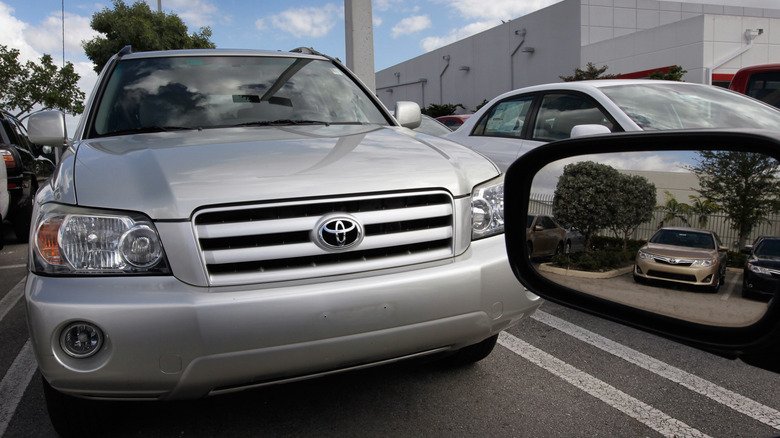
When the Toyota Highlander debuted in North America in January 2001 (after a late 2000 launch in Japan), it wasn't just another SUV joining a crowded market. It was a trailblazer, fundamentally reshaping what consumers expected from a sport utility vehicle. The First Generation Toyota Highlander (2001-2007) pioneered the mid-size crossover SUV segment, blending the practicality of a car with the versatility of an SUV, a concept that now dominates the automotive landscape.
Toyota had a clever trick up its sleeve. Instead of building the Highlander on a truck frame, they based it on their renowned K architecture – the same platform underpinning the best-selling Toyota Camry. This seemingly small decision had massive implications, ushering in an era of more comfortable, car-like SUVs that prioritized on-road manners without sacrificing utility. For buyers tired of bouncy, truck-like rides, the Highlander was a breath of fresh air, offering a smooth, refined experience that felt perfectly at home on suburban streets and long highway stretches.
At a Glance: Why the First-Gen Highlander Stood Out
- Pioneering Crossover: One of the first mid-size SUVs built on a car platform (Toyota Camry's K architecture).
- On-Road Comfort: Unibody construction and independent rear suspension delivered a remarkably smooth, car-like ride.
- Versatile Seating: Initially 5-seat, with a 7-seat option introduced in 2004, catering to growing families.
- Reliable Powertrains: Offered robust 2.4L I4 and 3.0L V6 engines, later upgraded to a 3.3L V6 in 2004.
- Hybrid Innovation: Introduced the Highlander Hybrid in 2005 (2006 model year), Toyota's first 7-seat hybrid SUV.
- Solid Safety: Praised by the IIHS for "Good" frontal offset crash test ratings and low driver fatality rates.
- Practical Design: Despite its comfort focus, it offered optional 4WD and a respectable 3,500 lbs towing capacity.
A New Breed of SUV: The Highlander's Origin Story (2001-2007)
The auto world took notice when Toyota unveiled the Highlander at the New York International Auto Show in April 2000. It quickly became clear that this wasn't just a competitor to traditional SUVs; it was forging its own path. By sharing its platform with the reliable Camry, Toyota created an SUV that drove with the ease of a sedan, but offered the higher driving position, increased cargo space, and available all-wheel drive that consumers craved. This fundamentally changed the conversation around SUVs, moving from rugged utility to refined versatility.
Globally, the Highlander also had another identity: the Toyota Kluger. This nameplate was (and still is) used in Japan and Australia, where Hyundai already held the "Highlander" trademark. The name "Kluger" itself is derived from the German word for "smart" or "clever," a fitting descriptor for a vehicle that truly outsmarted its competition by redefining its segment. For years, the Highlander was Toyota's top-selling SUV, only being surpassed by the smaller RAV4 in 2006, a testament to its enduring popularity and market appeal.
Under the Hood: Engines, Performance, and Drivetrain
The First Generation Highlander offered a range of dependable engines designed for everyday driving, prioritizing reliability and smooth power delivery.
Initial Powertrains (2001-2003)
- 2.4-liter 2AZ-FE I-4: This inline-four cylinder engine provided a solid 158 horsepower, offering a balanced blend of efficiency and capability for those who didn't need maximum power. It was typically paired with a four-speed automatic transmission.
- 3.0-liter 1MZ-FE V6: The more powerful option, this V6 delivered 201 horsepower. It propelled the Highlander from 0 to 60 mph in a respectable 8.8 seconds, making highway merging and overtaking a confident affair. This engine also utilized a four-speed automatic.
Both engines were known for their longevity and low maintenance, hallmarks of Toyota engineering.
The 2004 Refresh: More Power, More Gears
For the 2004 model year, Toyota gave the Highlander a significant powertrain upgrade, boosting both performance and refinement:
- 3.3-liter 3MZ-FE V6: This new V6 engine bumped horsepower to 223 hp and significantly improved acceleration, dropping the 0-60 mph time to an impressive 7.8 seconds. This made the Highlander feel even more sprightly and capable, especially when fully loaded or tackling inclines.
- Five-Speed Automatic Transmission: Paired with the new 3.3L V6, this updated transmission provided smoother shifts and allowed the engine to operate more efficiently, contributing to a more refined driving experience.
Drivetrain Options: FWD or Go 4WD
Most First-Gen Highlanders came standard with front-wheel drive (FWD), ideal for urban and highway driving, providing good fuel economy and predictable handling. For those needing extra traction in adverse weather or light off-road conditions, an optional full-time four-wheel drive (4WD) system was available. This system also included a rear limited-slip differential, enhancing grip and stability when things got slippery. It's important to note that this 4WD system was designed for improved on-road traction and light-duty off-roading, not hardcore rock crawling.
Comfort Meets Capability: Design and Interior Evolution
The First Generation Highlander's interior was a masterclass in functional design and ergonomic comfort. From the outset, Toyota focused on creating a passenger-friendly cabin that felt intuitive and spacious.
On-Road Prowess
One of the Highlander's defining characteristics was its prioritization of on-road comfort. Its unibody construction, a significant departure from traditional body-on-frame SUVs, was key to this. This design integrated the body and frame into a single unit, leading to a stiffer chassis, better crash performance, and reduced noise, vibration, and harshness (NVH). Coupled with an independent rear suspension, the Highlander handled bumps and corners with a composure typically found in sedans, not SUVs. This meant a smoother, quieter ride for all occupants, making long journeys far more enjoyable.
Interior Space and Features
Inside, the Highlander offered a sensible and well-appointed cabin. Early models (2001-2003) provided comfortable 5-seat configurations, with ample head and legroom for five adults. Key interior features for the 2001 model year included:
- A standard 15-inch steering wheel, offering a comfortable grip.
- A 6-speaker audio system, providing clear sound for entertainment.
The focus was always on utility and ease of use, with logical control layouts and durable materials built to last.
The Arrival of the Third Row (2004-2007)
Understanding the needs of growing families, Toyota made a crucial addition in 2004: an optional third-row seat. This expanded the Highlander's capacity to 7 seats, making it a more direct competitor to larger SUVs and minivans. Adding this third row required a slight modification to the unibody structure and the clever relocation of the spare tire from under the cargo floor to a more accessible position under the vehicle. While the third row was best suited for smaller passengers, its availability significantly boosted the Highlander's family-friendly appeal, offering flexibility for carpools and extra passengers.
Highlander Hybrid: Pioneering Efficiency (2006 Model Year)
Toyota wasn't just redefining the SUV segment; they were also at the forefront of hybrid technology. In a groundbreaking move, they unveiled the Highlander Hybrid at the 2004 North American International Auto Show, launching it in July 2005 as a 2006 model year vehicle. This wasn't just a new trim; it was a technological leap.
The Highlander Hybrid utilized Toyota's advanced Hybrid Synergy Drive technology, combining a potent 3.3-liter 3MZ-FE V6 engine with electric motors. This system was available in both FWD and AWD configurations. Crucially, it was Toyota's first 7-seat hybrid vehicle, demonstrating that eco-consciousness didn't have to mean sacrificing passenger capacity.
Key features of the hybrid model included:
- Vehicle Dynamics Integrated Management (VDIM): An advanced stability control system that integrated the braking, steering, and powertrain to anticipate and prevent skids.
- Electronically Controlled Brake (ECB): A sophisticated braking system that blended regenerative braking with conventional friction brakes for optimal efficiency and control.
The Highlander Hybrid delivered impressive fuel economy for its size, with FWD models achieving an EPA-rated 8.4 L/100 km (28 mpg-US) City / 9.4 L/100 km (25 mpg-US) Highway. Even the AWD models were efficient and retained a respectable towing capacity of 1,600 kg (3,500 lb), proving that efficiency and utility could indeed coexist.
Safety First: Protecting Your Precious Cargo
Toyota has always placed a strong emphasis on safety, and the First Generation Highlander was no exception. It was engineered with a suite of features designed to protect occupants and aid drivers.
Standard safety features from the beginning included:
- Anti-lock Brakes (ABS): Prevented wheel lock-up during hard braking, allowing the driver to maintain steering control.
- Brake Assist (BA): Helped drivers apply maximum braking force during emergency stops.
- Electronic Brakeforce Distribution (EBD): Optimized braking force to each wheel based on load distribution, improving stopping power and stability.
For the 2004 model year, Toyota made a critical addition, standardizing Vehicle Stability Control (VSC) with traction control. This system automatically detected and helped prevent skids, especially in slippery conditions or during aggressive maneuvers, significantly enhancing active safety.
The First-Gen Highlander earned high marks from independent safety organizations. The IIHS (Insurance Institute for Highway Safety) rated it "Good" in frontal offset crash tests, a commendable achievement for its time. Furthermore, IIHS data for 2001-2005 models noted that the Highlander had one of the lowest driver fatality rates, underscoring its robust protective capabilities. This combination of active and passive safety features gave owners peace of mind, knowing their families were well-protected.
Trims and Features: What to Look For
In the US market, the First Generation Highlander offered a straightforward lineup of trim levels, each building on the last to provide varying levels of comfort and features.
- Base (2001–2007): The entry-level trim, but by no means spartan. It offered essential features like power windows, locks, mirrors, air conditioning, and a good sound system. It was available with both the 4-cylinder and V6 engines, and FWD or 4WD.
- Limited (2001–2007): The top-tier trim, designed for those seeking a more luxurious experience. Limited models typically included leather upholstery, automatic climate control, a premium audio system, larger alloy wheels, and a more refined exterior appearance. This trim was almost always paired with the V6 engine and often with 4WD.
- Sport (Introduced March 2006): Later in the first generation's life cycle, Toyota added a "Sport" trim. This model aimed to give the Highlander a slightly more athletic feel, often featuring unique alloy wheels, special badging, and possibly sport-tuned suspension, though it remained true to the Highlander's comfortable character.
When looking at used First-Gen Highlanders, discerning the trim level can help you understand the original feature set and potential resale value.
Key Specifications at a Glance (2001 Model Year Focus)
For those diving into the details, here are some core specifications for the inaugural 2001 Toyota Highlander:
- Engines Available: 1MZ-FE (3.0L V-6) and 2AZ-FE (2.4L I-4).
- Performance (approx.): 0-60 mph in 7.4 - 10 seconds, depending on engine and drivetrain. Horsepower ranged from 158 HP (I-4) to 201 HP (V-6).
- Exterior Dimensions (LxWxH): 184.4 x 71.9 x 66.1 inches.
- Curb Weight: 3485 - 3880 lbs, varying by engine and drivetrain.
- Wheel Size: Standard 16x6.5 inches (with common aftermarket options up to 22x8.5, offset 18-28 mm).
- Tire Size: Standard 225/70 R16.
- Interior Features: 15-inch steering wheel, 6 speakers.
- Towing Capacity: Up to 3500 lbs (when properly equipped).
- Oil Capacity: 4.0 - 5.0 quarts, depending on the engine.
- Gas Tank Size: 19.80 gallons, providing a good cruising range.
These specs highlight the balanced package the Highlander offered – not overly large or heavy, but substantial enough to be capable and comfortable.
Living with a First-Gen Highlander: Maintenance and Practical Ownership
Owning a First Generation Toyota Highlander today means owning a testament to Toyota's legendary reliability. These vehicles were built to last, and many are still on the road, racking up impressive mileage.
What to Expect from a Used Model
When considering a used First-Gen Highlander, its age (now over 15 years old, potentially over 20) means that routine maintenance and some component replacements are inevitable. You'll want to check:
- Rust: Especially in salt-belt regions, inspect the frame, wheel wells, and exhaust system.
- Suspension Components: Bushings, shocks, and struts can wear out over time, affecting ride quality. Listen for clunks or excessive bounciness.
- Engine Leaks: Older Toyota V6 engines, like the 1MZ-FE and 3MZ-FE, are known for valve cover gasket leaks or oil cooler line leaks. While not always critical, they should be addressed.
- Transmission: While generally robust, ensure smooth shifts. A pre-purchase inspection by a trusted mechanic is always recommended.
- Hybrid Battery (for Hybrid models): If considering a 2006-2007 Hybrid, be aware that the hybrid battery can eventually degrade and require replacement. While not cheap, many independent shops now specialize in hybrid battery reconditioning or replacement at a lower cost than dealer options.
Key Maintenance Figures
- Towing Capacity: The 3500 lbs towing capacity is sufficient for small boats, jet skis, or utility trailers, but remember to factor in the weight of passengers and cargo when calculating total load.
- Oil Capacity: Knowing the oil capacity (4.0-5.0 quarts) is useful for DIY oil changes, ensuring you use the correct amount of the recommended oil type (typically 5W-30 for these engines).
- Gas Tank Size: The nearly 20-gallon fuel tank provides a generous range, reducing the frequency of fuel stops, especially on long trips.
With proper care, a First-Gen Highlander can continue to be a reliable and economical daily driver for years to come.
Why the First-Gen Highlander Still Matters Today
The First Generation Toyota Highlander's legacy is immense. It didn't just compete in the SUV market; it fundamentally transformed it. By proving that a car-based SUV could offer superior comfort, efficiency, and safety without sacrificing utility, it paved the way for nearly every modern crossover on the road today. Its success inspired competitors to follow suit, leading to the evolution of a segment that now dominates new car sales.
This groundbreaking model also laid the foundation for the subsequent generations of the Highlander, each building upon its predecessor's strengths while adapting to new technologies and consumer demands. To truly appreciate the evolution of this iconic vehicle, you can Explore Toyota Highlander generations. Understanding its origins helps you appreciate how far Toyota's mid-size crossover has come.
Even today, a well-maintained First-Gen Highlander remains a practical, dependable, and comfortable vehicle. Its simple, robust engineering means fewer complex systems to fail, and parts are generally plentiful and affordable. For many, it represents the sweet spot of Toyota's design philosophy: reliable, efficient, and exceptionally functional.
Making the Smart Choice: Is a First-Gen Highlander Right For You?
If you're in the market for a dependable, no-frills family hauler or a versatile daily driver, a First Generation Toyota Highlander from 2001-2007 might be an excellent choice. It’s particularly appealing for:
- Budget-conscious buyers: Offering exceptional value in the used market.
- Reliability seekers: Renowned for its longevity and low running costs.
- Families needing space: Especially the 7-seater models from 2004 onwards.
- Commuters wanting comfort: Its car-like ride makes daily driving a pleasure.
However, be realistic about its age. While robust, it won't have the advanced infotainment, modern safety tech (like blind-spot monitoring or adaptive cruise control), or the cutting-edge fuel economy of newer vehicles. It's a vehicle from a different era, but one that excelled at its core mission.
Before making a purchase, always prioritize a thorough pre-purchase inspection by an independent mechanic. This ensures you're aware of any potential issues and can budget for necessary maintenance. With a bit of care, a First Generation Highlander can continue to be a "clever" choice, living up to its "Kluger" spirit for years to come.