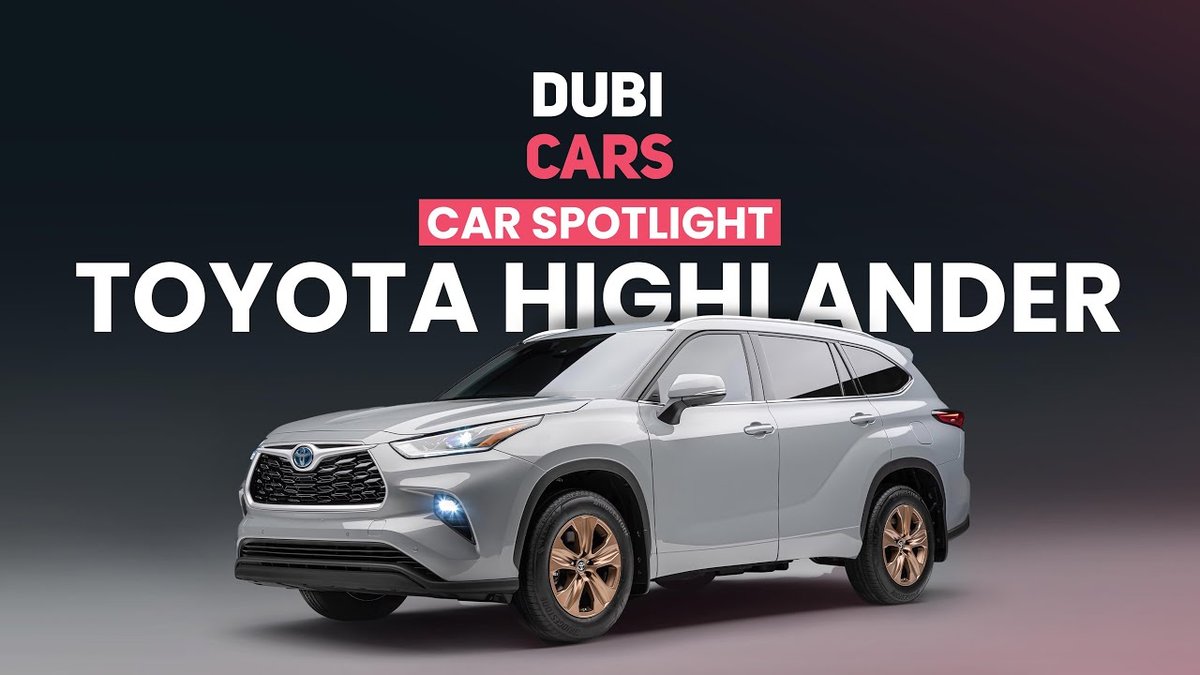
For over two decades, the Toyota Highlander has been a steadfast presence on American roads, offering families a reliable, comfortable, and capable midsize SUV option. But with four distinct generations hitting the market, each boasting its own set of upgrades and refinements, how do you navigate the landscape when comparing Toyota Highlander generations to find the best fit for your features, performance, and value needs? It's a journey many drivers embark on, whether hunting for a used gem or considering a brand-new model, and understanding the nuances between them is key.
This guide is designed to cut through the noise, providing you with an authoritative yet approachable roadmap to every Highlander generation. We’ll dissect what makes each iteration unique, from powertrain advancements and cabin technologies to safety innovations and long-term value, helping you make an informed decision.
At a Glance: Key Takeaways Across Generations
- 1st Gen (2001-2007): A foundational model, reliable and easy to drive, but showing its age in tech and third-row space. Best for budget-conscious buyers prioritizing basic utility.
- 2nd Gen (2008-2013): Bigger, more family-friendly, with a genuine third row. Represents a sweet spot for those seeking more space without the full modern tech suite.
- 3rd Gen (2014-2019): A significant leap in refinement, interior quality, and driver-assist features. Excellent balance of contemporary features, performance, and value in the used market.
- 4th Gen (2020-Now): The most advanced and spacious Highlander yet, packed with the latest safety, infotainment, and powertrain options, including an efficient turbo-four.
- Hybrids: Consistently offer superior fuel economy across all generations where available, often without sacrificing performance.
- Reliability: A hallmark of the Highlander badge; proper maintenance almost guarantees a long, trouble-free life.
Understanding the Highlander's Legacy: A Brief History
The Toyota Highlander first rolled onto the scene in 2000 (as a 2001 model year), carving out a niche as a more road-focused, unibody SUV distinct from its rugged Land Cruiser and 4Runner siblings. It was designed specifically for the burgeoning North American market, offering car-like comfort with SUV practicality. This foundational decision to prioritize a smooth ride and family-friendly dynamics has largely defined its evolution through four significant transformations.
The Generations Unpacked: Features, Performance & Value
Let's dive into each generation, dissecting their defining characteristics, advancements, and what they mean for you as a buyer.
1st Generation (XU20): 2001-2007 – The Pioneer
The original Highlander set the stage for what was to come: a dependable, comfortable, and practical family hauler.
Features & Interior: Utilitarian Roots
Launched in 2001, the first-generation Highlander was straightforward. It offered a smooth, car-like ride thanks to its Camry platform, prioritizing comfort over rugged off-road prowess. The interior, while durable, was relatively simple, reflecting early 2000s automotive design. It initially offered an optional third row, though it was quite cramped, making it more of an occasional-use space. Standard features were basic, but its strong crash test scores were impressive for the era.
Performance & Powertrain: Reliable Workhorses
Early models featured inline-six gasoline engines. A significant update in 2004 brought a more powerful V6 option. Hybrid technology made its debut in 2006, offering a 3.3L V6 paired with electric motors, marking an early commitment to fuel efficiency in the SUV segment. All engines were mated to automatic transmissions, with a choice of FWD or AWD. Performance was adequate for daily driving, focusing on smoothness rather than sportiness.
Value & Considerations: The Budget-Friendly Workhorse
First-gen Highlanders are incredibly reliable, often reaching well over 200,000 miles with proper care. They represent excellent value for budget-conscious buyers seeking dependable transportation.
Best Years for Reliability & Value: 2004, 2005, 2006, and 2007 models are often cited for strong reliability. The 2006-2007 models, in particular, offered slight improvements in refinement and comfort.
Years to Approach with Caution: The earliest models (2001-2003) had some reported issues, particularly the 2003 model year, which saw numerous complaints about engine issues. Common problems included radiator tank cracks and valve cover gasket leaks on earlier models.
2nd Generation (XU40): 2008-2013 – Growing Up
The second-generation Highlander saw Toyota addressing key criticisms of the first: size and third-row functionality.
Features & Interior: Room to Grow
Redesigned for 2008, the Highlander grew significantly, adopting a more conventional midsize SUV silhouette. This expansion translated directly into more interior volume, especially for the third row, which became genuinely usable for children and smaller adults. The cabin received a noticeable upgrade in materials and design, feeling more modern and accommodating. Standard features improved, including power mirrors, air conditioning, and seven airbags, reflecting evolving consumer expectations.
Performance & Powertrain: More Muscle, New Options
The 2008-2010 models offered a standard 2.7L inline-four-cylinder engine or a more robust 3.5L V6, both paired with a 5-speed automatic. The 3.3L V6 Hybrid carried over, now exclusively with AWD. A mild facelift for 2011-2013 introduced a new, more powerful 187-hp inline-four-cylinder base engine with a 6-speed automatic, while the V6 kept its 5-speed. This generation marked a noticeable improvement in on-road performance, particularly with the V6, which offered ample power for highway passing and towing.
Value & Considerations: The Family Workhorse
Second-gen Highlanders continue the tradition of strong reliability and offer a much-improved package for families. They strike a good balance between modern conveniences and mechanical simplicity.
Best Years for Reliability & Value: The 2012 and 2013 model years are often highlighted as the pinnacle of this generation for reliability, low maintenance costs, and a generally dependable experience.
Years to Approach with Caution: The 2008 model year faced significant issues, including 13 recalls and over 300 NHTSA complaints concerning airbags and service brake systems. It's generally advisable to avoid this specific year.
3rd Generation (XU50): 2014-2019 – The Refinement Revolution
The third generation marked a significant evolution, pushing the Highlander into a more competitive and premium space.
Features & Interior: Elevated Experience
Launched in 2014, the XU50 Highlander was a complete redesign, boasting a more assertive exterior and a substantially upgraded interior. Seating capacity expanded to eight, and the cabin materials, design, and overall ergonomics were significantly improved. Toyota also made a concerted effort to boost safety, introducing new driver aids and consistently earning high marks from safety organizations. Infotainment systems also saw upgrades, though still not as advanced as current generations.
Performance & Powertrain: Power and Efficiency Boost
Initially, this generation retained the previous engines but standardized the 6-speed automatic for all gasoline models (the 3.5L V6 being the most popular). A crucial update came with the 2017-2019 facelift, introducing a new, more powerful 3.5L V6 engine with direct fuel injection, coupled with an eight-speed automatic transmission. This combination significantly boosted performance and improved fuel efficiency, making the Highlander feel more energetic and refined. Hybrid models also continued to impress with their blend of power and economy.
Value & Considerations: Modern Comfort, Proven Reliability
This generation is often considered a sweet spot for used buyers. It offers modern features, excellent safety, and a comfortable ride without the premium price tag of a brand-new vehicle. The post-facelift models (2017-2019) are particularly attractive due to their enhanced powertrain and updated tech.
Best Years for Reliability & Value: The 2016 model year is praised for its reliability and low maintenance. The 2017-2019 models offer an excellent balance of enhanced performance, increased safety features, and a competitive price in the used market.
Years to Approach with Caution: No widespread "avoid" years for this generation, but as always, a thorough pre-purchase inspection is recommended for any used vehicle.
4th Generation (XU70): 2020-Now – The Apex of Modernity
The current generation Highlander pushes the boundaries of design, technology, and efficiency, setting a new standard for the nameplate.
Features & Interior: Cutting-Edge & Spacious
Debuting for the 2020 model year, the fourth-gen Highlander features an entirely new body and interior. It's sleeker, more angular, and boasts a truly upscale cabin with improved materials and thoughtful design. Cargo and occupant room are further optimized, making the third row more accommodating than ever. This generation is packed with the latest Toyota cabin technologies, including large touchscreen infotainment systems, Apple CarPlay, Android Auto, and available premium audio.
Performance & Powertrain: Evolving for Tomorrow
Initially, the fourth generation carried over the proven 3.5L V6 (295 hp) paired with an 8-speed automatic transmission. However, Toyota made a significant shift for the 2023 model year, replacing the V6 with a 265-hp turbocharged 2.4L four-cylinder engine. This change, driven by stricter emission and fuel efficiency standards, offers competitive performance with improved low-end torque. The 2.5L four-cylinder hybrid powertrain remains a highly efficient and popular choice, delivering impressive fuel economy without sacrificing capability.
Value & Considerations: The Latest and Greatest
The 4th Gen Highlander represents the pinnacle of Toyota's midsize SUV offering. It combines sophisticated styling, advanced technology, robust safety features, and the legendary reliability the brand is known for. While newer models naturally command a higher price, they offer the full suite of modern conveniences and driver aids.
Best Years for Reliability & Value: The 2021 model year ranks highly for reliability, low maintenance costs, and fewer recalls compared to the launch year. As newer models mature, their reliability data will continue to solidify.
Years to Approach with Caution: The launch year, 2020, had 5 recalls, including issues with the electronic stability control system. While many issues would have been resolved under warranty, it's a year to scrutinize service records more closely.
Diving Deeper: Key Decision Factors
Beyond generation-specific details, several overarching factors define the Highlander experience.
Unpacking Trims: Finding Your Sweet Spot
The Toyota Highlander traditionally offers a range of trim levels, each building upon the last with increasing features and luxuries.
- LE: The base trim, offering essential features, safety, and functionality. Great for those who prioritize core utility and value.
- XLE: A popular mid-range choice, adding comfort and convenience features like a sunroof, power liftgate, heated front seats, and upgraded interior materials. Often represents the best balance of features and price.
- Limited: Steps up to more premium amenities, including leather seating, a premium audio system, larger wheels, and additional tech.
- Platinum (4th Gen): The top-tier trim, offering the most luxurious touches, advanced features like a panoramic sunroof, head-up display, and 360-degree camera.
- XSE (3rd Gen facelift onwards): A sportier trim with unique styling cues, sport-tuned suspension, and often blacked-out accents.
Understanding these trims helps you identify which Highlander truly aligns with your lifestyle and budget.
Hybrid Models: The Efficiency Advantage
For every generation where it's been offered, the Highlander Hybrid has consistently stood out for its superior fuel economy. Whether it's the 1st gen's pioneering efforts or the 4th gen's sophisticated 2.5L hybrid system, these models deliver impressive MPG ratings, a significant range, and reduced environmental impact. They often provide a surprisingly peppy performance thanks to the electric motor's instant torque, making them excellent choices for those prioritizing efficiency without sacrificing capability.
Safety: A Consistent Pillar of Strength
Toyota has made safety a cornerstone of the Highlander's design philosophy. It consistently ranks as one of the safest midsize SUVs in its class, earning accolades from organizations like the IIHS (Insurance Institute for Highway Safety).
- IIHS Awards: The 4th generation has notably earned Top Safety Pick (2020) and Top Safety Pick+ (2021) awards.
- Toyota Safety Sense (TSS): Modern Highlanders come standard with the comprehensive TSS suite. This includes a Pre-Collision System with Pedestrian Detection, Lane Departure Alert with Steering Assist, Dynamic Radar Cruise Control, and Automatic High Beams. Over the years, TSS has evolved (e.g., TSS 2.5+, TSS 3.0), adding more advanced features like Lane Tracing Assist and Road Sign Assist. This commitment to active safety provides an invaluable layer of protection for you and your family.
Fuel Efficiency: More Than Just Hybrids
While hybrids steal the show for MPG, non-hybrid Highlander models also offer commendable fuel efficiency for their class. The shift to the turbocharged 2.4L four-cylinder in the 4th gen for 2023 demonstrates Toyota's ongoing commitment to improving efficiency across its entire powertrain lineup. When comparing, always consider your typical driving conditions (city vs. highway) to see how the official EPA estimates translate to your real-world experience.
The Value Proposition: Longevity, Maintenance & Resale
One of the most compelling reasons to choose a Toyota Highlander, regardless of generation, is its reputation for long-term value.
Maintenance Costs: Remarkably Manageable
The Highlander consistently ranks among the most affordable midsize SUVs to maintain. Owners typically report annual maintenance costs ranging from $225 to $1,184 over the first 12 years of ownership, significantly lower than many competitors. This predictability and affordability contribute greatly to its overall ownership value.
Longevity: A Marathon Runner
It's not uncommon to see Highlanders on the road with well over 200,000 miles, and many meticulously maintained examples easily surpass 300,000 miles. Their robust engineering and quality components mean a low likelihood of needing major, costly repairs in the first decade of ownership. This incredible durability ensures you get maximum utility out of your investment.
Resale Value: Holding Its Own
Toyota vehicles, and the Highlander in particular, are renowned for maintaining strong resale value. This means that when it's time to sell or trade in your Highlander, you're likely to recoup a significant portion of your initial investment, making it a smart financial choice in the long run.
Making Your Choice: Which Highlander is Right for You?
Choosing the right Highlander generation boils down to balancing your priorities: budget, space, features, and how modern you need the vehicle to feel.
- For the Budget-Conscious & Basic Needs: A well-maintained 1st Gen (2004-2007) or 2nd Gen (2012-2013) Highlander offers exceptional reliability for a minimal investment. You'll get dependable transport, but don't expect cutting-edge tech.
- For Growing Families on a Mid-Range Budget: The 2nd Gen (2012-2013) provides a solid, roomy, and reliable platform. If your budget allows, the 3rd Gen (2014-2019), especially 2017-2019, hits a sweet spot with a more modern interior, improved performance, and advanced safety features, representing excellent value in the used market.
- For the Tech-Savvy & Safety-Focused: If you desire the latest in infotainment, driver-assist technologies, and a truly premium feel, the 4th Gen (2020-Now), particularly the 2021 model year onwards, is your best bet. You'll pay more, but you'll get a fully contemporary SUV.
- For Fuel Efficiency Warriors: Regardless of generation, a Highlander Hybrid is consistently the most efficient option. Consider a 2nd, 3rd, or 4th gen hybrid if MPG is a top priority.
Always remember: When buying any used vehicle, a pre-purchase inspection by a trusted mechanic is non-negotiable. Check service records, look for signs of consistent maintenance, and confirm that any recalls have been addressed.
A Final Thought: The Highlander's Enduring Appeal
The Toyota Highlander has earned its reputation as a segment leader through consistent evolution and an unwavering commitment to what truly matters to families: reliability, safety, comfort, and value. By understanding the distinct characteristics of each generation, you’re empowered to choose a vehicle that perfectly aligns with your needs and ensures many years of confident driving. Whether you opt for a seasoned veteran or the latest model, you're investing in a legacy of automotive excellence.